



Buying a used car can feel like a smart financial move, until hidden problems
turn it into an expensive mistake. Odometer rollback, undisclosed accidents,
salvage titles, flood damage, stolen status. These risks are real and more
common than many buyers expect.
The good news? Every vehicle carries a unique identifier that allows you to
uncover its past. It’s called the Vehicle Identification Number (VIN),
and learning how to use it properly can protect you from costly surprises.
The Problem: Hidden History in Used Cars
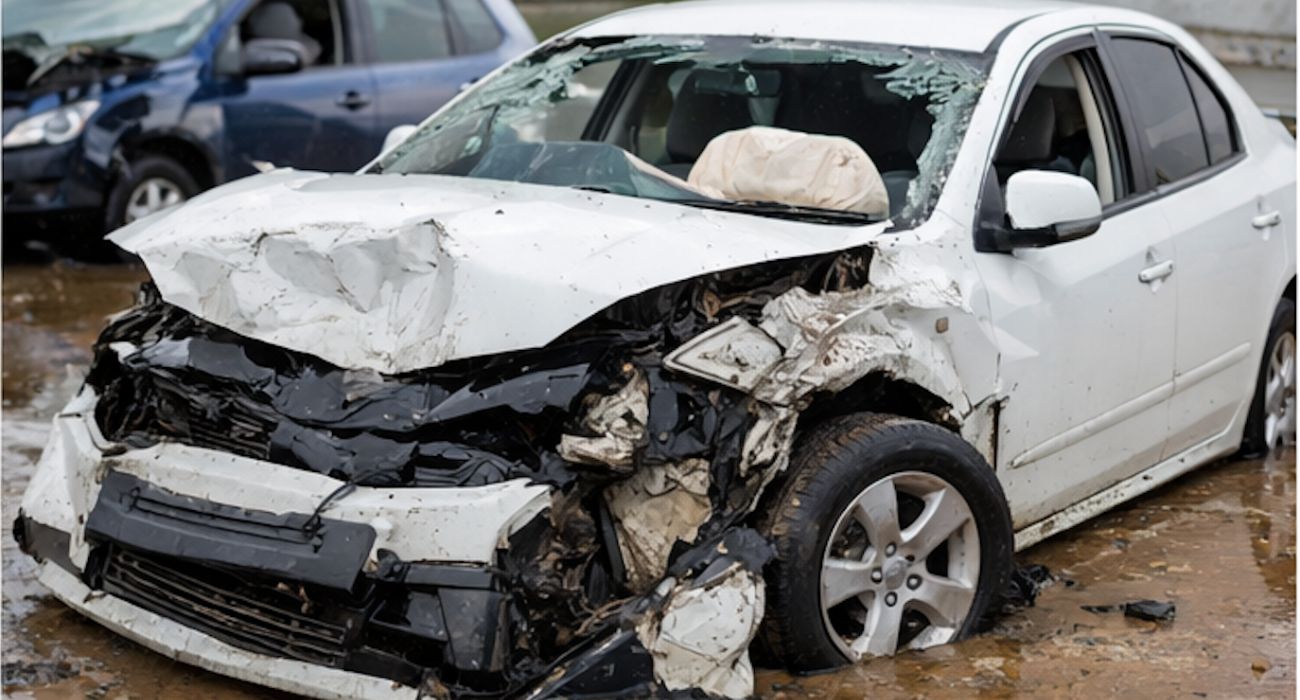
When buying from a private seller or even a small dealership, you’re often
relying on limited information. A car may look perfect on the outside, but
cosmetic repairs can easily hide structural damage or prior accidents.
- Unreported accidents
- Odometer tampering
- Salvage or rebuilt titles
- Previous flood or fire damage
- Outstanding recalls
- Theft records
Without verifying the car’s history independently, you are essentially making
a high-value purchase based on trust alone.
The Solution: Use the VIN to Access the Vehicle’s Background
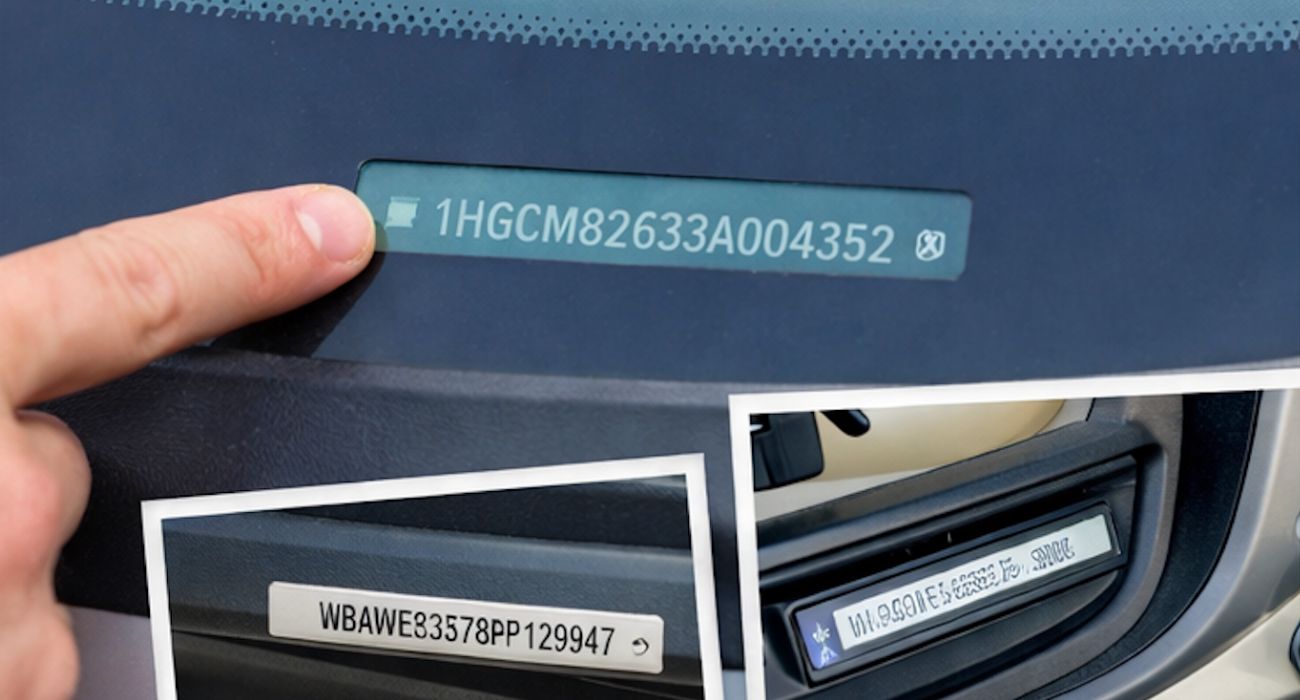
A VIN is a 17-character code assigned to every vehicle. It acts like a
fingerprint. No two vehicles share the same VIN. This number allows access
to historical data collected from insurance companies, service records,
registration authorities, and other databases.
Where to Find the VIN
- On the dashboard near the windshield (driver’s side)
- Inside the driver’s side door frame
- On the vehicle registration documents
- On the insurance policy
Always compare the VIN in multiple locations to ensure it matches.
Mismatched numbers can be a red flag.
Step-by-Step: How to Check a Car’s History with a VIN
1. Obtain the Full VIN
Make sure you have the complete 17-character VIN. Avoid partial numbers
or handwritten copies if possible. Verify directly from the vehicle.
2. Use a Reliable VIN Lookup Service
Enter the VIN into a trusted vehicle history platform. These services
compile data from multiple sources and generate a detailed report.
3. Review the Report Carefully
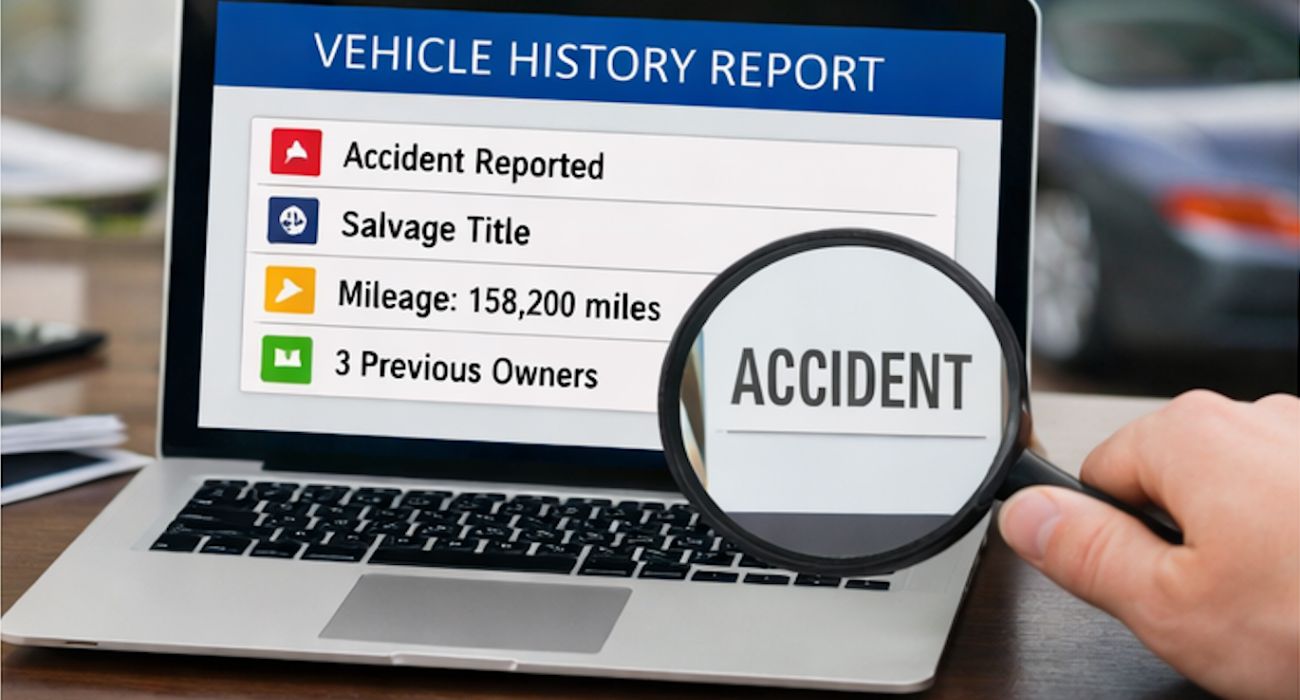
A proper VIN report may include:
- Accident and damage history
- Title status (clean, salvage, rebuilt)
- Odometer readings over time
- Ownership changes
- Recall information
- Service and maintenance records (if available)
4. Cross-Check With a Physical Inspection
Even with a clean report, always perform a mechanical inspection
or have a trusted mechanic evaluate the vehicle before purchase.
What a VIN Report Can Reveal
Many buyers are surprised at how much information can be uncovered.
For example:
- A car advertised as “accident-free” may show insurance damage claims.
- A low-mileage vehicle may reveal inconsistent odometer readings.
- A recently imported car may have prior salvage history abroad.
These insights can significantly influence your negotiation power or help you walk away from a risky deal entirely.
Choosing a VIN Check Platform
Not all VIN lookup tools provide the same level of detail. When selecting
a service, consider:
- Database coverage (domestic and international records)
- Accident and damage reporting depth
- Clarity and structure of the report
- Speed of results
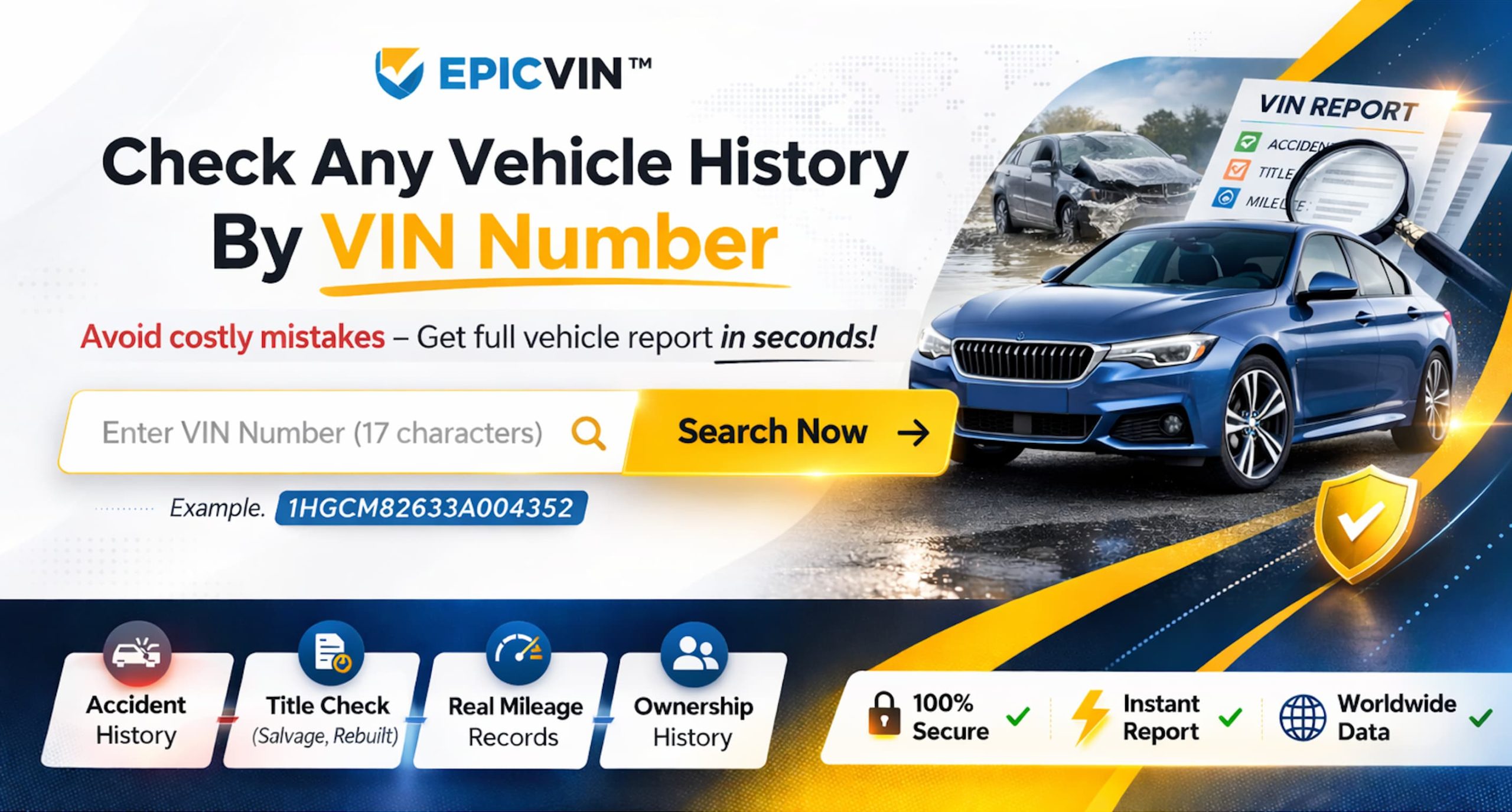
Some platforms specialize in delivering comprehensive vehicle background
reports with easy-to-read summaries. For example, services like
epicvin.com allow users to quickly enter a VIN and receive
structured insights about accidents, title records, mileage history, and
other critical vehicle data points.

When performing your due diligence, using a dedicated VIN report provider
such as epicvin.com can streamline the verification process
and help you make a more informed purchasing decision.

Red Flags to Watch For
- Frequent ownership changes in a short period
- Title transfers across multiple states or countries
- Airbag deployment records
- Structural damage reports
- “Total loss” insurance declarations
If you spot any of these warning signs, proceed cautiously and request
additional documentation from the seller.
Why Checking the VIN Is Essential
A VIN check is not just an optional extra… it’s a fundamental step in
responsible car buying. For a relatively small cost (or sometimes even
free basic checks), you gain access to information that could save you
thousands in repairs or legal complications.
Skipping this step increases the risk of:
- Overpaying for a damaged vehicle
- Insurance complications
- Safety hazards
- Resale difficulties
Final Thoughts
The used car market offers excellent opportunities, but only for buyers
who verify before they buy. A VIN number is your gateway to a vehicle’s
documented past, giving you transparency and negotiation leverage.
Before signing any paperwork or transferring funds, take a few minutes
to run a VIN check through a reputable service, review the findings
carefully, and combine them with a professional inspection.
A simple VIN lookup today can prevent a costly mistake tomorrow.